Activities after hip replacement are one of the first things my patients ask about, often before they have even scheduled surgery. They want to know when they can walk the dog, drive to work, play a round of golf, or sleep through the night without pain. The honest answer is reassuring: most people return to the activities they love, and many feel better than they have in years.
In my practice at the Bone and Joint Institute of Tennessee, where I perform more than 700 hip and knee replacements a year, I walk every patient through a clear, week-by-week plan. Below is the same guidance I give in clinic, organised by when each activity typically becomes safe.
What to Expect in the First Two Weeks
Your hospital stay is usually one to two days, and many of my patients go home the same day when surgery is done on an outpatient basis. Before you leave, you will need to walk with a cane, walker, or crutches, manage your own bathroom needs, and climb a few stairs safely.
The first two weeks are about gentle, frequent movement, not rest. I ask patients to stand and walk short distances several times a day. Brief walks keep blood moving, reduce the risk of clots, and help the new joint settle in. You will also do the specific exercises your physical therapist prescribes, several times daily.
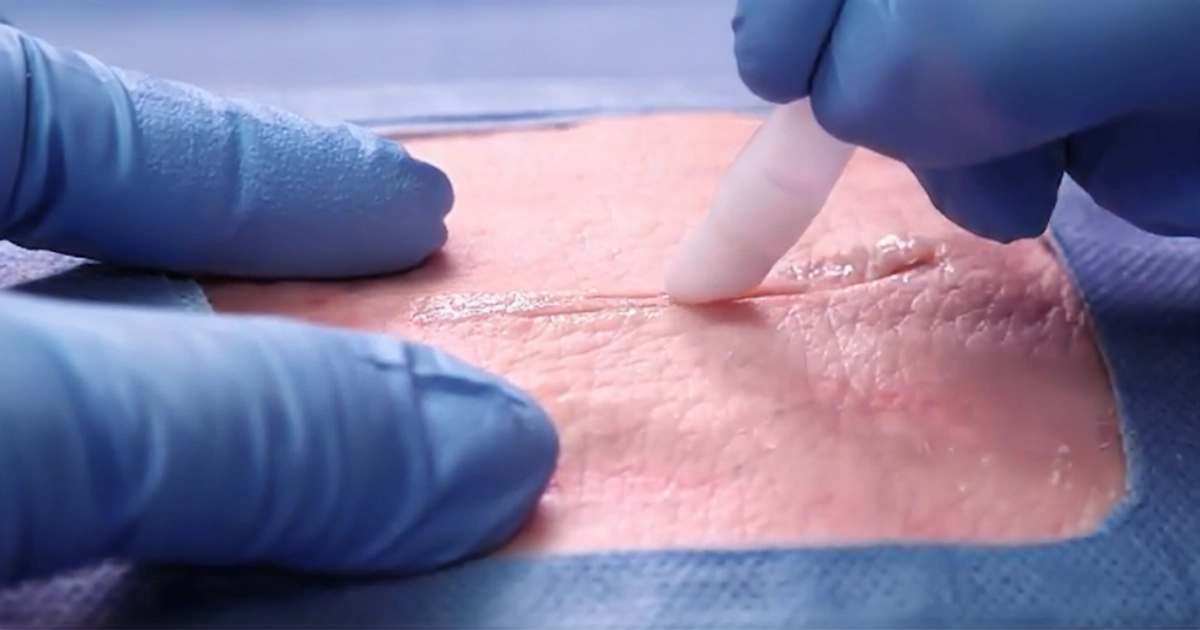
Swelling is expected, and so is some discomfort with activity. Elevating the leg and using ice for short periods helps. If you had a total hip replacement, your incision dressing is typically waterproof and stays on for several days, so showering is usually fine within a day or two once cleared.
Resuming Everyday Activities After Hip Replacement
Daily living is where most patients feel the biggest, fastest win. Within the first few weeks, getting dressed, cooking, and moving around the house become steadily easier. A few practical adjustments make this safer.
Low-Impact Activities After Hip Replacement That Are Safe Early On
These activities are appropriate for most patients in the first six weeks, with your surgeon’s clearance:
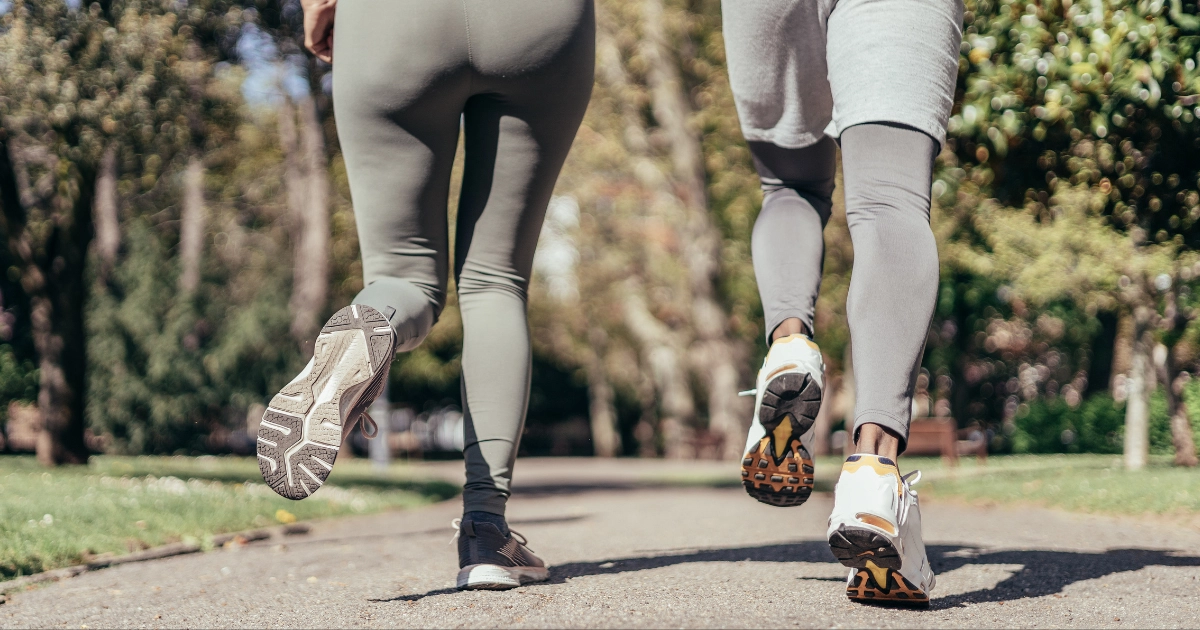
- Walking: the single best early activity. Build distance gradually rather than chasing speed.
- Stationary cycling: a low-resistance recumbent or upright bike keeps the hip flexible.
- Showering and dressing: dress the operated leg first and use a long-handled reacher, sock aid, or shoehorn to avoid bending too far.
- Sitting and standing: use a firm chair with armrests and a higher seat; soft, low couches and deep recliners are harder to get out of safely.
Simple home preparation pays off. Before surgery, clear throw rugs and clutter, set up a firm chair, and place everyday items within easy reach. You can find more of these checklists in our patient resources library, including the downloadable hip replacement preparation guide.
Driving and Returning to Work
For most patients, driving becomes safe once you are off narcotic pain medication and your strength and reaction time have returned, often around two to four weeks. I make this call individually, since a right-hip replacement and a manual transmission can both push the timeline.
Return to work depends on the job. Desk-based work is often possible within two to four weeks, while physically demanding work can take several months. The research is encouraging: a large meta-analysis found that about 86 percent of patients in modern studies return to work after hip replacement.
Getting Back to Exercise and Sport
This is the question I hear most from active patients, and the news is good. A return to recreational sport is realistic, generally around two to three months after surgery, once your surgeon and physical therapist give the go-ahead.
I encourage low-impact and intermediate-impact activities because they deliver the cardiovascular and muscle benefits of exercise while protecting the implant. Once cleared, most patients can enjoy:
- Swimming and water exercise (once the wound is fully healed)
- Golf, including a full swing for most players
- Cycling, both road and stationary
- Doubles tennis and pickleball
- Hiking on even terrain, elliptical training, and light weight training
- Yoga, Pilates, and Tai Chi for flexibility and balance
Patients who used a muscle-sparing anterior approach or robotic-assisted hip replacement often progress with fewer movement restrictions, because the technique spares the muscles and tendons that stabilise the hip. Precise implant positioning with the robotic platform also supports long-term joint mechanics, which matters when you plan to stay active for decades.
Activities to Avoid (or Approach With Caution)
The limitations I set are not meant to slow you down; they exist to make your new hip last. High-impact, repetitive-pounding, and high-fall-risk activities place the most stress on an implant.
I generally advise patients to avoid or be cautious with:
- Distance running and jogging: repeated impact can accelerate implant wear.
- Contact sports and martial arts: the fall and collision risk is too high.
- Singles tennis, basketball, and high-impact aerobics: sudden cutting and jumping stress the joint.
- Deep squatting or extreme bending at the hip in the early weeks.
If your procedure used a posterior approach, your team may ask you to follow specific precautions for the first six to eight weeks: do not cross your legs, do not bend the hip beyond 90 degrees, and do not turn the foot sharply inward. Most patients can relax these restrictions after about six to eight weeks, but always confirm your own timeline with your surgeon.
Protecting Your New Hip for the Long Term
A few habits protect your investment in an active life. Maintaining a healthy weight reduces stress on the joint with every step. Staying consistent with the exercises your physical therapist prescribes, for several months and not just the first few weeks, builds the muscle that supports the hip.
Two practical notes for the years ahead. Your artificial joint may set off airport metal detectors, so allow extra time at security. And if you ever need an MRI, tell the technologist about your implant, since the metal can affect imaging.
When to Call Your Surgeon
Most recoveries are smooth, but a few warning signs deserve a prompt call. Contact your surgical team right away if you notice a fever over 100 degrees, increasing redness or drainage at the incision, calf pain or swelling that does not ease with elevation, or sudden chest pain and shortness of breath, which require emergency care.
If hip pain is keeping you from the activities you love, I would be glad to help you understand your options. You can schedule a consultation at our Franklin office or call (615) 791-2630. Getting you back to an active, pain-free life is the whole point of this surgery.