Weightlifting Health Benefits for Seniors
Moderate-high intensity resistance exercise, when properly done, is safe and beneficial everyone – regardless of age. High-intensity resistance exercise has been shown in studies to produce increases in bone mineral density, lean muscle mass, muscle strength, and function.
The aging process is a daunting and inevitable one - we have to proactively pursue improved overall health, longevity, and quality of life. It is estimated that 80% of adults are not engaging in adequate physical activity and seniors are at the highest risk for a sedentary lifestyle. Inactivity increases the risk of serious adverse health conditions including elevated blood pressure, heart disease, stroke, obesity, cholesterol issues, diabetes, cancer, depression, and even death.
There is a misconception that light walking or recreational activity is “good enough” for seniors, and strength training activities should be reserved only for the young. Many are unaware of the benefits of strength training ESPECIALLY as we age. Below are a few health benefits of resistance training that may help motivate you to incorporate some weightlifting into your routine.
Resistance Training and Bone Health
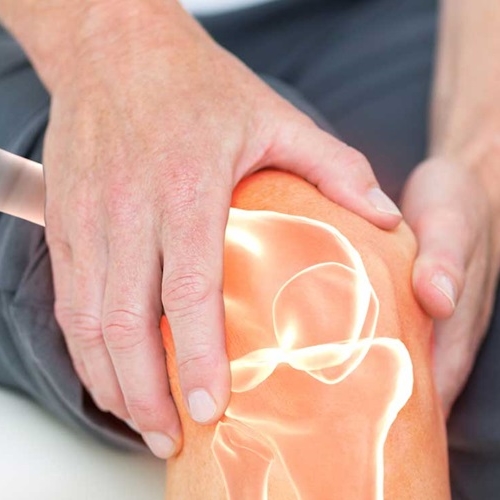
Million of adults suffer with osteoarthritis and/or osteoporosis. Multiple factors including obesity, previous injuries, muscle weakness, inflammation, and other chronic diseases play a role in the development of bone disease. Osteoarthritis can be the cause of chronic joint pain from moving, stiffness, loss of flexibility and function, and a progressively sedentary lifestyle. In addition, we all experience some degree of progressive bone density loss (thinning) as we age (up to 1-3% per year after the age of 45). Factors that can speed bone loss include genetics, sedentary lifestyle, poor nutrition, excess alcohol, smoking, etc. Fortunately, a number of modifiable factors can slow degeneration and even improve bone density - and strength training is top of the list.
Bone Density/Health Research
#1 Weightlifting has been shown across several studies to reduce the joint pain associated with osteoarthritis.
#2 Weightlifting studies involving patients with a known diagnosis of osteoarthritis demonstrate improved function and ease with daily activities.
#3 Regardless of age, muscle strengthening exercises can reduce measured levels of disability and improve general physical performance.
#4 Resistance training improves bone mineral density and overall bone health (even more effectively than walking). Impact-loading types of training are the most osteogenic (bone-building) activities we can do.
Resistance Training and Muscle Health
As we age, we also lose muscle mass and strength. After age 50, muscle mass can decrease by 1-2% per year. After age 60, muscle loss can accelerate to as high as 3% per year. Most elderly adults suffer with muscle loss that can increase frailty, risk of falls, and impact quality of life. Loss of lean muscle mass with age also contributes to the development of age-related metabolic dysfunction (metabolic syndrome, diabetes, hypertension, dyslipidemia)
Muscle Mass/Strength Research
#5 It really is very simple - Even in the elderly, picking things up and putting them down improves muscle mass and muscle quality. In studies, even after 50, resistance training produces increased general strength, maximal strength, and muscle power.
#6 Resistance training will also boost your overall endurance. Weightlifting improves the endurance of the muscles themselves, aerobic conditioning, and walking speed (demonstrated by studies measuring increase in VO2 max - the max amount of oxygen used during exercise and a measure of fitness).
#7 Improvements in endurance also produce overall gross efficiency of muscles, the amount of energy produced in relation to the total energy used. Think about this as measure of “how physically easy it is for your body to complete a task” – resistance training makes it easier.
#8 Long-term weightlifting is the best way to prevent age-related muscle loss over time. Older adults involved in long-term strength training have an overall higher muscle force-generating capacity and level functional performance.
Muscle loss (sarcopenia), bone loss (osteoporosis) and fat gain (obesity) are so closely related, researches have studied it a disease complex termed “Osteosarcopenia”. The good news is that we can slow and sometimes even reverse Osteosarcopenia by staying more active, eating healthier and adding resistance training to our routine. One study found that by simply doing 1 set of exercises 3 times a week was enough to produce increases in strength, skeletal muscle mass, and decreased body fat over 12 weeks. Increasing the routine to 3 sets of exercises, 3 times a week resulted in a dramatic boost in results.
Summary of Weightlifting Benefits
All-in-all resistance training (whether dumbell, kettlebell, or resistance band) is a valuable way to improve overall quality of life and functional independence of those suffering from age-related muscle loss and bone thinning. Weightlifting can be an effective part of preventing, slowing down, or partially reversing age-related muscle and bone loss, and lower the risk of the detrimental health issues that go along with it. In addition, resistance training can be a critical part of a comprehensive program designed to reduce joint pain, improve bone health, and reduce risk of falls and injury.
Is Resistance Training Safe in the Elderly?
At any age, there is a level of “risk” that comes with all moderate-high level physical activity (including weightlifting). Multiple studies have confirmed that for senior adults, training with weights, whether heavy or light, can be safe, enjoyable, and beneficial. Due to the risk of injury with all physical activity, studies suggest using safe equipment, careful warming up and cooling down, and a focus on using the correct range of motion and technique. Your physician, physical therapist and medical care team can recommend and help guide the fitness program best for you.
If you need additional assistance setting-up an exercise program and understanding the exercises best for you, contact us or schedule and appointment today.
.jpg)