facebook link iconInstagram link iconyoutube channel link iconlinkedin link icon
email and contact iconicon for location

What is a Deep Vein Thrombosis?

Deep vein thrombosis (DVT) occurs when a blood clot forms in one of the deep veins of the body. This can happen if a vein becomes damaged or if the blood flow within a vein slows down or stops. Two of the most common risk factors for the development of a DVT are an injury to your lower body and surgery that involves your hips or legs.

A DVT can have serious consequences. If a blood clot breaks free, it may travel through the bloodstream and block blood-flow to the lungs. Although rare, this complication (called a pulmonary embolism) can be fatal. Even if a blood clot does not break free, it may cause permanent damage to the valves in the vein. This damage can lead to long-term problems in the leg such as pain, swelling, and leg sores.

In many cases, DVT occurs without noticeable symptoms and can be very difficult to detect. For this reason, surgeons focus on preventing the development of DVT using different types of therapies, depending upon a patient's risk and needs. Your surgeon will take steps to prevent DVT if you have a major fracture or are having lower extremity surgery—including total hip or knee replacement surgery.

Pulmonary Embolism

As mentioned above, one serious complication of DVT development after surgery is pulmonary embolism - a blood clot that breaks free and travels through the veins. This can happen right after the formation of the blood clot or it may happen days later. If the blood clot reaches the lungs, it can block the flow of blood to the lungs and heart. A pulmonary embolism is a serious medical emergency and can lead to death.

Preventing Blood Clots After Orthopaedic Surgery

Deep vein thrombosis can develop after any major surgery. People who have surgery on the legs and hip are especially at risk. A pulmonary embolism is a blood clot that breaks-free and travels through the veins. If it reaches the lungs, it can block the flow of blood to the lungs and heart. A pulmonary embolism is a dangerous condition that can even lead to death.

Your surgeon will outline a program to help prevent the development of blood clots after surgery. The program may include periodic elevation of your legs, lower leg exercises to increase circulation, support stockings, and medication to thin your blood. This video provides additional information about DVT and its prevention.

It is important to work with your surgical care team prior to surgery to customize a prevention strategy best for each patient. If you have additional questions or concerns about the safety measures most important during hip and knee replacement, CONTACT our office today (615) 791-2630
Dr. Cory Calendine, Orthopaedic Surgeon discusses blood clot prevention after hip and knee replacement surgery.

Thank You for Subscribing to Bone Health & Harmony Blog!
Oops! Something Went Wrong, Please Enter Your Email Again.
Cory Calendine, MD is an Orthopaedic Surgeon and founding partner of the Bone and Joint Institute of Tennessee at Williamson County Hospital in Franklin, TN. Dr. Calendine is an expert in Joint Replacement, specializing in Hip and Knee Surgery. From diagnosis through treatment, the Orthopaedic Surgical experts at the Bone and Joint Institute use the latest techniques and technology to improve care for people with musculoskeletal problems. For more information, please contact our office or schedule your appointment today.  
KNEE

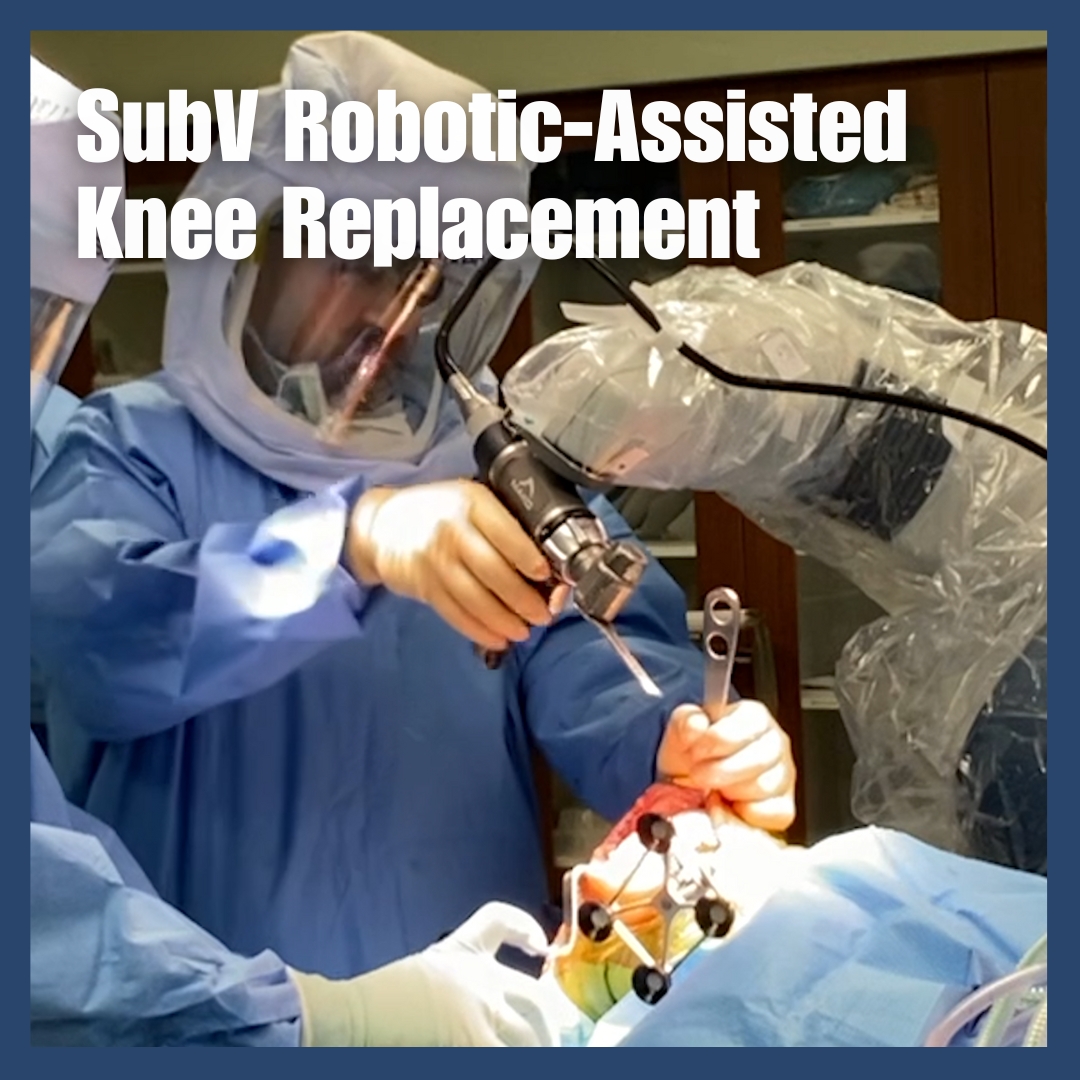
Who Qualifies for Subvastus Robotic-Assisted Knee Replacement?

Discover if you're a candidate for subvastus robotic-assisted knee replacement – a muscle-sparing technique available to 90-95% of knee replacement patients. This advanced approach preserves your quadriceps muscle, leading to faster recovery, less pain, and quicker return to daily activities. Learn about candidacy requirements, expected outcomes, and why patients walk within days instead of weeks. Dr. Cory Calendine explains who qualifies for this revolutionary knee replacement technique and how robotic precision enhances results for active adults in Franklin and greater Nashville.

Read More
HIP

Why 3D Planning Makes Hip Replacement Surgery 10X More Precise

3D planning technology has transformed hip replacement surgery by delivering unprecedented precision in implant sizing and positioning, with accuracy rates of 34-100% for component selection and positioning within 1-2mm of optimal targets. Unlike traditional 2D X-ray planning that relied on educated guessing, modern 3D systems use CT scans and specialized software to create detailed anatomical models, allowing surgeons to virtually rehearse procedures and detect potential problems before surgery. This advanced planning approach results in shorter surgery times, better functional outcomes, reduced complications, and faster patient recovery, while also proving cost-effective through decreased revision rates and improved hospital efficiency. Patients considering hip replacement should ask their surgeons about 3D planning capabilities, as this technology is rapidly becoming the standard of care for achieving optimal surgical outcomes and long-term implant success.

Read More
KNEE

Tylenol and Ibuprofen for Arthritis Pain

Tylenol (acetaminophen) and Ibuprofen are both common over-the-counter medications frequently used to treat arthritis pain. Tylenol and ibuprofen are not the same types of medication. While Tylenol is a non-aspirin pain killer, ibuprofen is a member of the non-steroidal anti-inflammatory medication class (NSAIDs). There are risks and side effects to be considered and proper dosage is important to help avoid medication complications.

Read More