facebook link iconInstagram link iconyoutube channel link iconlinkedin link icon
email and contact iconicon for location
HIP

X-rays, CT Scans and MRIs

by Cory Calendine, MD, Orthopaedic Surgeon, Hip and Knee Specialist

Diagnostic imaging techniques can help delineate musculoskeletal injury and disease. The most commonly used techniques include xrays, computed tomography (CT) scans, and magnetic resonance imaging (MRI).

These imaging tools allow surgeons to "see" inside the body and get a "picture" of the bones, organs, muscles, tendons, nerves, and cartilage.

Xrays

Due to cost and availability, xrays (radiographs) are the most commonly ordered diagnostic imaging modality. Even if a more complex test is required for final diagnosis, xray is often used as a first-line screen.

Xrays use low doses of radiation to image dense objects including bones, calcifications, some tumors, and other dense matter. More dense objects appear white or lighter on xray films  because they absorb the radiation. Less dense soft tissues structures allow the radiation pass-through, therefore appear darker on xray films.

Computed tomography (CT)

CT is an imaging technique that combines xray images from various angles with computer technology that produces more detailed, cross-sectional images of the body. CT scans allow surgeons to visualize 3D size, shape, and position of structures that are deeper within the body and joints. CT scans are more expensive and take more time than regular xray imaging.

Magnetic Resonance Imaging (MRI)

Magnetic resonance imaging (MRI) uses radio waves to produce detailed cross-sectional images of the body. Unlike xrays and CT scans, MRI does not require the use of  radiation. MRI machines use magnetic fields and computer processing to take high-resolution pictures of bones and soft tissues.

Due to the ability to generate more detailed images – especially of soft tissues - MRI can be used to better evaluate ligaments, tendons and cartilage surfaces. MRI scans typically take longer and are more expensive than xrays and CT scans.

3D Modeling

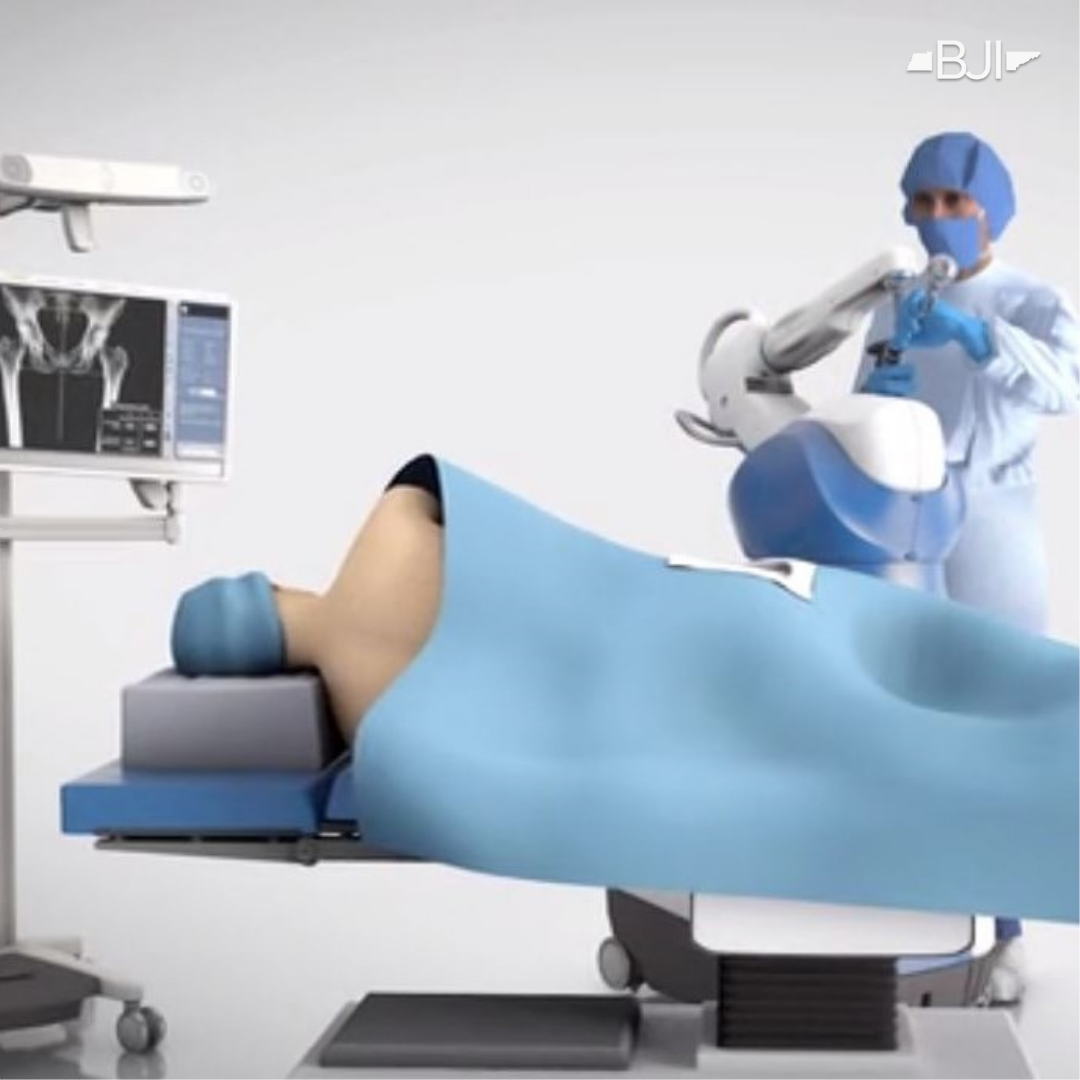
Increasingly 3D modeling is used to provide surgeons with a precise 3D image of bone and joint structures. 3D modeling is accomplished with sophisticated computer programs and based on actual patient imaging (xray, CT, and/or MRI). As an example, we often use computer-generated 3D modeling (based on CT scans) to complete preoperative planning for knee and hip replacement surgeries.
Thank You for Subscribing to Bone Health & Harmony Blog!
Oops! Something Went Wrong, Please Enter Your Email Again.
Cory Calendine, MD is an Orthopaedic Surgeon and founding partner of the Bone and Joint Institute of Tennessee at Williamson County Hospital in Franklin, TN. Dr. Calendine is an expert in Joint Replacement, specializing in Hip and Knee Surgery. From diagnosis through treatment, the Orthopaedic Surgical experts at the Bone and Joint Institute use the latest techniques and technology to improve care for people with musculoskeletal problems. For more information, please contact our office or schedule your appointment today.  
HIP

Nonopioid Pain Treatment for Joint Surgery

The medical community has recognized the contribution of prescription opioids in the growing national opioid crisis. Research studies are evaluating the safety and efficacy of opioid alternatives and multimodal pain treatment protocols. Decreasing and even eliminating the use of opioids for perioperative pain control is becoming a standard of care for orthopaedic surgical procedures.

Read More
KNEE

How Much Bone is Removed During Total Knee Replacement Surgery?

Total knee replacement surgery involves minimal bone removal, with surgeons removing only 5-10 millimeters of damaged bone from the joint surfaces of the femur, tibia, and patella. This conservative approach preserves healthy bone while creating space for artificial components made of metal and plastic. The procedure is more accurately described as surface replacement rather than total bone removal, as advanced surgical techniques ensure only damaged cartilage and minimal bone are taken away. Factors determining bone removal include joint damage severity, implant type, and patient bone density, while benefits of controlled bone removal include enhanced prosthetic fit, preserved bone health, and better recovery outcomes. Modern knee replacement surgery provides excellent long-term results with implants lasting 15-20 years, restored mobility, and significant pain relief for patients suffering from arthritis and other degenerative joint conditions.

Read More
KNEE

Kneecap Resurfacing

Ever wonder what happens to the kneecap (patella) during knee replacement? The decision to resurface the underside of the patella as part of total knee replacement may be influenced by a number of factors. Dr. Cory Calendine, Orthopaedic Surgeon discusses the process of patella resurfacing during knee replacement surgery.

Read More